Make a strong first impression in an outfit that represents her personality.
03 / UX research · Persona · Journey mapping
Meet Imani. She has a showcase to dress for.
A real online shopping dilemma became a persona driven case study of decision fatigue, product comparison, and the small details that shape confidence.
See the process ↓
Case study · 20241 week
01 / The challenge
The brief
Find the outfit. Keep the confidence.
Imani is a 23 year old UX design student invited to present her work at Webster University’s Student Showcase.
She wants an outfit that feels professional and unmistakably hers. She starts with Fashion Nova because she knows the store, its broad selection, and its sizing options. But sorting through so many pieces makes it hard to compare style, fit, price, and versatility.
My role
Persona development · Journey mapping · UX analysis
Methods
Experience based scenario · Pain point analysis · Comparative reference
Deliverable
Recommendations for a clearer shopping experience
02 / Define the person
Imani wants to show up as herself.
Imani is a 23 year old UX design student at Webster University in St. Louis. Her family’s emphasis on education shaped a strong work ethic, and she maintains a 4.0 GPA. Her professors invited her to the Student Showcase in recognition of her work.
She loves how UX joins technology with empathy. She also expresses her creativity through fashion, balancing trends with a polished professional image. The outfit matters because she wants to feel confident presenting to professors, peers, and potential employers.
What drives her
Physical stores offer limited sizes and selection.
She cannot easily compare styles and prices of different pieces on the same shopping site.
Efficiency, quality, self expression, and professionalism all matter to her.
03 / Set the goal
Motivation and constraints
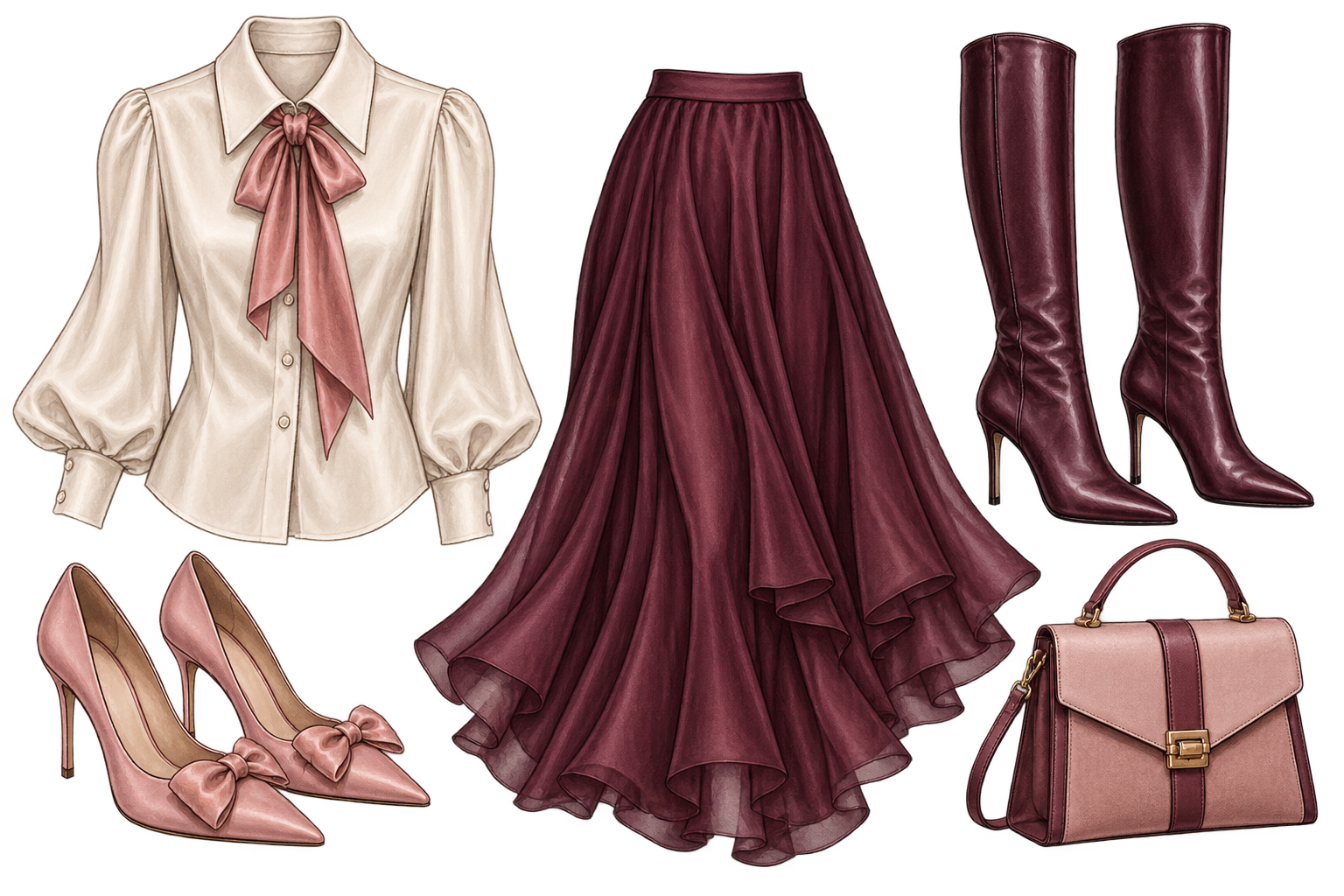
A two piece suit is the starting idea. Feeling like herself is the actual goal.
She wants a distinctive, professional outfit that gives her confidence at the showcase.
Showcase confidence
Choose an outfit that reflects her bright, creative personality and helps her make a strong first impression.
Shop conveniently
Use online selection and sizing options that she struggles to find in physical stores.
Find the right look
Start with a distinctive two piece suit, while staying open to other polished pieces.
Use a familiar store
Begin with Fashion Nova because previous orders went well, even though its selection leans trendy.
Style it her way
Mix and match pieces to create a professional outfit that still feels like hers.
Express her identity and feel stylish without losing the professional tone of the event.
Find affordable value, considering durability, comfort, and whether she can wear the pieces again.
Find clothing that flatters her shape; a wider range of sizes is part of why she shops online.
“Proving to myself that I can adequately manage this fantastic opportunity is important to me, and I want to make my professors, family, and peers proud.”— Imani’s persona statement
04 / Map the experience
Five stages. One rising point of friction.
Scenario: Imani visits Fashion Nova to buy an outfit for the Student Showcase. Expectation: She wants to feel confident in something stylish, well fitting, and within budget.
Awareness
- Activity
- Imani recalls previous Fashion Nova orders and asks whether they met her expectations.
- Goal
- Check whether previous orders met her expectations.
- Touchpoint
- The quality and wear of outfits in her closet.
- Emotion
- Interested and reassured by what worked before.
Consideration
- Activity
- She weighs Fashion Nova against other stores and the dress expectations for the showcase.
- Goal
- Decide whether Fashion Nova suits the event.
- Touchpoint
- No direct site touchpoint at this stage.
- Emotion
- Curious about what might look polished enough.
Decision
- Activity
- Positive past experiences lead her to browse the site or app for this outfit.
- Goal
- Access the website or app on her chosen device.
- Touchpoint
- Phone, tablet, or computer and the Fashion Nova website or app.
- Emotion
- Hopeful about finding quality, style, and value.
Action
- Activity
- She filters, compares, saves, adds pieces to her cart, and checks out.
- Goal
- Sort the selection and save outfits for later.
- Touchpoint
- Categories, filters, favorites, cart, and checkout.
- Emotion
- Overwhelmed by options and unable to compare pieces easily.
Reflection
- Activity
- After ordering, she follows delivery and waits to see whether the outfit meets her needs.
- Goal
- Complete checkout and track the order until it arrives.
- Touchpoint
- Checkout forms, confirmation messages, and shipping updates.
- Emotion
- Relieved the order is placed, but anxious about timing.
The shift happens during action: browsing offers plenty of choices, but comparing the strongest options becomes a job of its own.
05 / Find the friction
UX analysis
Lots of choice. No easy way to compare it.
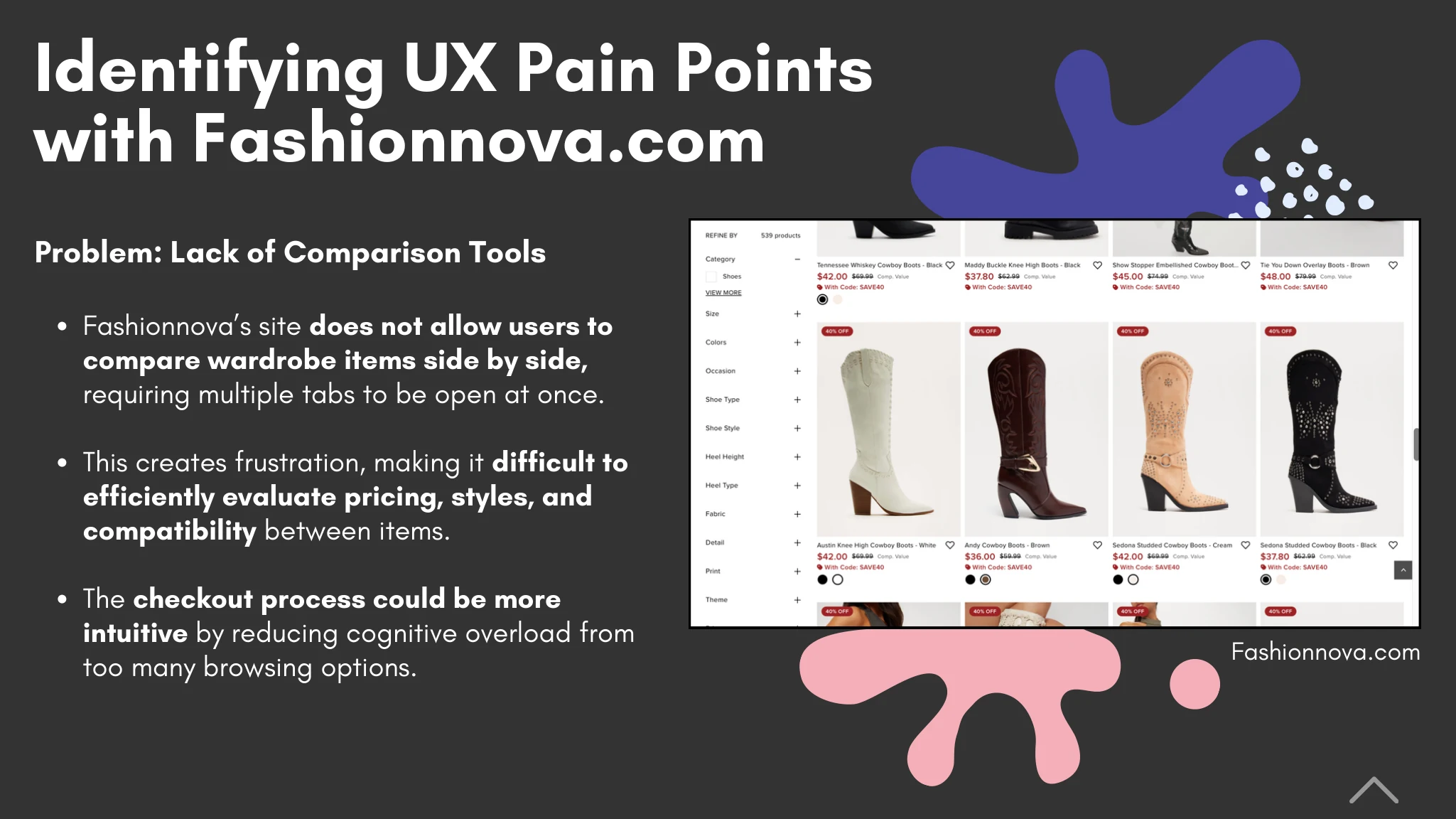
On the Fashion Nova browsing page, products appear together, but Imani cannot compare her shortlist side by side.
To evaluate price, fit, style, and whether pieces work together, she must jump between pages or keep multiple tabs open. That extra effort interrupts a moment when she is trying to make a thoughtful purchase.
06 / Propose a response
Give her a place to decide.
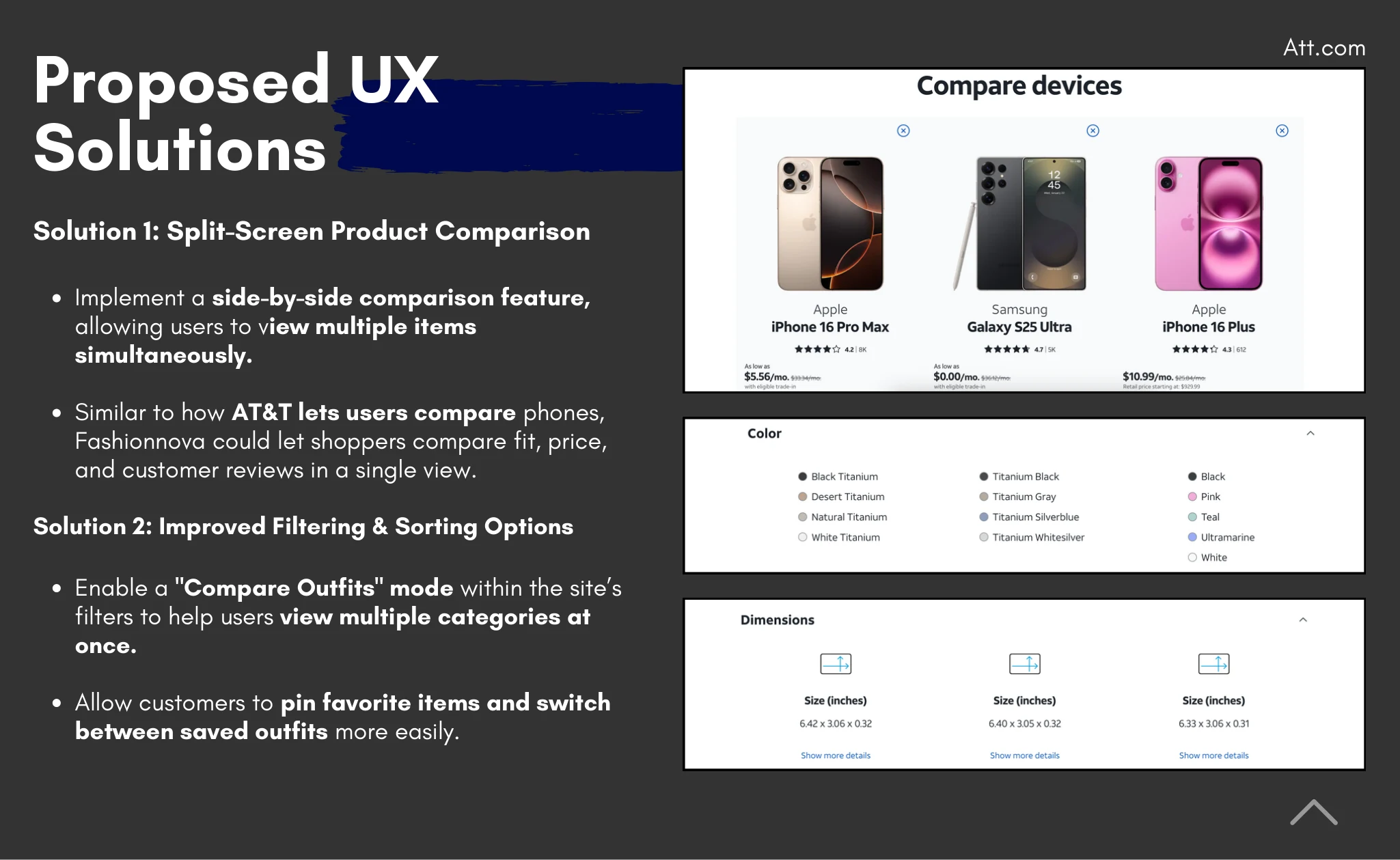
Side by side product comparison
Show selected pieces together with fit, price, and reviews in one view. The AT&T device comparison page in the original study served as a reference for this pattern.
Better outfit filtering
Introduce a “Compare Outfits” mode so shoppers can consider items across categories, pin favorites, and switch between saved combinations.
07 / Reflect
What this work shows
The journey made the design opportunity specific.
Imani’s story connects an emotional need—feeling confident at the showcase—to a concrete usability issue in the shopping flow.
This was a persona and journey mapping exercise grounded in one real shopping dilemma. The comparison features are proposals, not shipped changes or measured results. A next step would be to test the assumptions with more shoppers and prototype the comparison flow.